Understanding Ductless Range Hoods
What is a Ductless Range Hood?
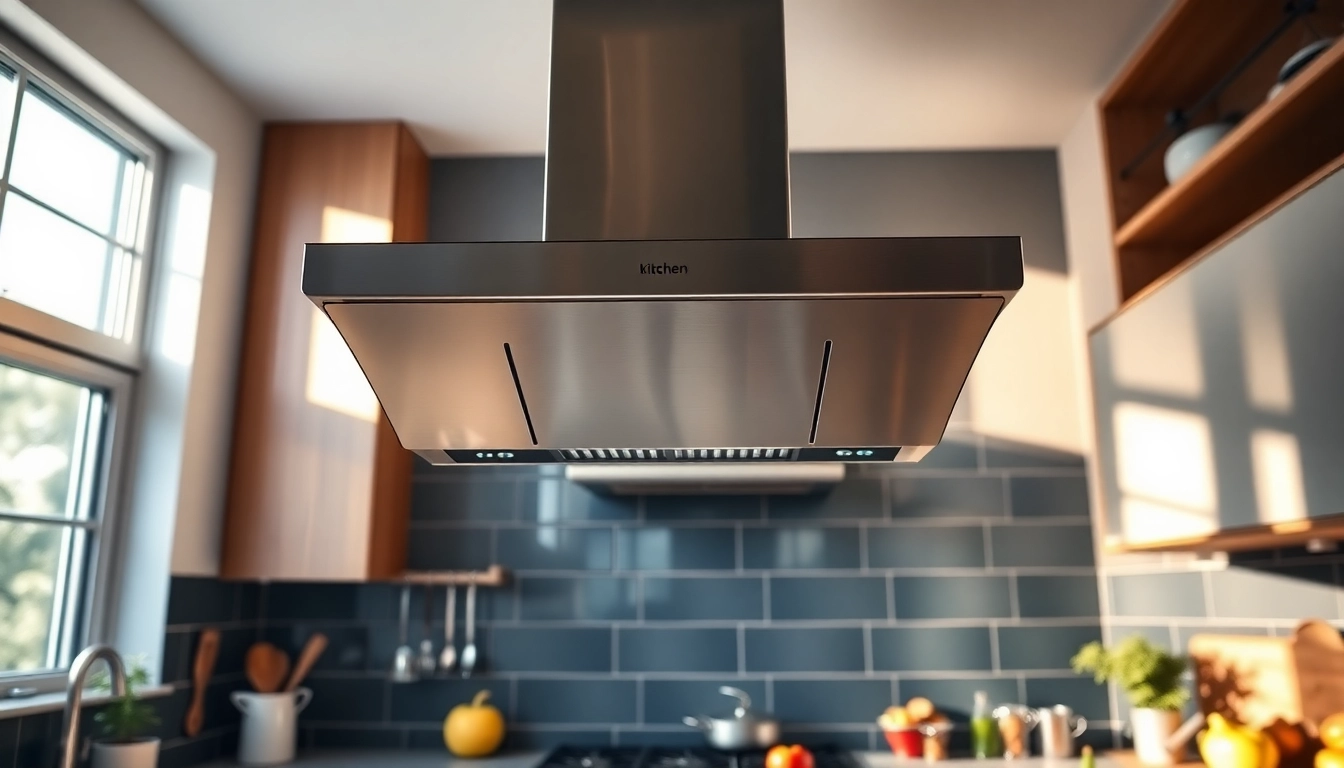
A ductless range hood, also known as a recirculating range hood, is a kitchen appliance designed to improve air quality by filtering and recirculating air within the kitchen. Unlike traditional ducted range hoods that vent air outside, ductless hoods utilize internal filtration systems to cleanse the air of smoke, odors, and airborne grease before returning it to the kitchen environment. This makes ductless hoods an attractive option for those living in apartments or homes where external venting is not feasible.
Benefits of Using the Best Ductless Range Hoods
Choosing the best ductless range hood offers several benefits that cater to modern cooking needs:
- Easy Installation: Ductless range hoods are straightforward to install, as they do not require extensive ductwork. This feature is particularly beneficial for renters or those renovating kitchens without existing vents.
- Aesthetic Appeal: With various designs and finishes available, these hoods can enhance the visual appeal of the kitchen while performing a vital function.
- Versatility: They can be installed in various locations, including wall-mounted or under-cabinet setups, making them adaptable to different kitchen layouts.
- Environmentally Friendly: By recirculating air rather than venting it outside, ductless range hoods consume less energy during operation, aligning with eco-friendly practices.
Common Misconceptions About Ductless Systems
Despite their advantages, ductless range hoods face some misconceptions that can mislead potential buyers:
- Less Effective: Many assume that ductless hoods are ineffective at removing smoke and odors compared to ducted models. However, high-quality ductless hoods equipped with advanced filtration systems can effectively purify the air when used correctly.
- No Maintenance Required: Some users believe that ductless range hoods do not require maintenance. In reality, maintaining the filters and cleaning the appliance regularly is crucial for optimal performance.
- Noise Levels: It is often said that ductless systems are noisier than their ducted counterparts. Noise can vary based on the model and design; many ductless options operate quietly, providing a comfortable cooking environment.
Choosing the Best Ductless Range Hood
Key Features to Look For
When selecting the best ductless range hood for your kitchen, consider the following key features:
- Filtration Type: Look for models with charcoal filters. These filters are excellent at eliminating odors. Some models also include grease filters to trap grease particles.
- Airflow Capacity (CFM): The CFM (Cubic Feet per Minute) indicates how effectively the hood moves or filters air. Typical CFM ratings for ductless hoods range from 150 to 300 CFM.
- Noise Level: If noise is a concern, check the Sones rating. A lower Sones rating means quieter operation, which can contribute to a more peaceful cooking environment.
- Lighting: Integrated lighting options enhance visibility over the cooking surface. LED lights are energy-efficient and can illuminate the area effectively.
Assessing Different Sizes and Models
Proper sizing is essential when choosing a ductless range hood. It should match the width of your cooking surface to efficiently capture smoke and grease. Here are some factors to assess:
- Width: Ensure the hood is at least as wide as your stovetop. Common sizes are 30-inch, 36-inch, and smaller models for compact kitchens.
- Height: Install the hood 24 to 30 inches above the cooking surface, depending on the stove type, to maximize air capture.
- Design: Select a style (under-cabinet, wall-mounted, island) that complements your kitchen layout and aesthetics.
Comparing Airflow Capacity (CFM)
Airflow capacity or CFM is a critical aspect of ductless range hoods. The right CFM rating depends on your cooking habits and kitchen layout:
- Standard Cooking: For typical home cooking, a range hood with 200 to 300 CFM is sufficient.
- High-Heat Cooking: If you frequently cook with high heat or in large quantities, consider models with higher CFM ratings (above 300) for effective ventilation.
- Kitchen Size: Larger kitchens may require higher CFM ratings to ensure adequate air circulation.
Top Picks for the Best Ductless Range Hood in 2025
Best Overall Ductless Options
Based on performance, design, and user reviews, the following models are top choices for 2025:
- Ciarra 30-inch Under Cabinet Range Hood: This model offers a high-performance fan with 200 CFM airflow, quiet operation, and sleek design. Its aluminum grease filter makes it easy to maintain.
- Broan-NuTone RL6200: Known for durability and efficiency, this stainless-steel hood not only provides excellent filtration but also features integrated lighting, making it a versatile option for many kitchens.
Best Budget-Friendly Choices
If you’re looking for affordability without sacrificing quality, consider these models:
- Cosmo 5MU30: A well-rounded option featuring a 200 CFM motor and stainless-steel construction. It integrates seamlessly into various kitchen designs, offering good performance at a budget price.
- AKDY 30-Inch Wall Mount Range Hood: This stylish hood features a dual motor system and is a great choice for those looking for modern aesthetics at an attractive price point.
Best High-End Models
For those seeking premium options, explore these high-end ductless range hoods:
- Bertazzoni 30-Inch Wall-Mounted Range Hood: This luxury option boasts a powerful ventilation system and a stunning design that elevates any kitchen aesthetic.
- Ventahood 30-Inch Wall-Mount Range Hood: Renowned for their high-end construction and exceptional performance, Ventahood models are perfect for serious cooks seeking top-tier air filtration.
Installation Insights for Ductless Range Hoods
DIY Installation vs. Professional Help
When considering installation, you have two options: DIY or hire a professional. For most ductless range hoods, DIY installation is feasible and straightforward:
- DIY Installation: With basic tools and some technical knowledge, many users successfully install ductless hoods without professional assistance. Most units come with detailed instructions to guide new installers.
- Professional Installation: If you prefer assurance or have complex kitchen layouts, hiring a professional may be the best choice to ensure proper setup and function.
Essential Installation Tools and Tips
If you decide to go the DIY route, here are essential tools and tips to improve your installation process:
- Tools Needed: Necessary tools include a drill, screwdriver, level, measuring tape, and safety glasses.
- Tip for Leveling: Make sure the range hood is level before securing it to the wall or cabinet to ensure optimal performance and aesthetics.
- Electrical Connections: For range hoods with electrical components, ensure that the installation adheres to local electrical codes.
Maintenance Tips for Longevity
Proper maintenance is vital for the longevity and functionality of your ductless range hood:
- Regular Filter Replacement: Most manufacturers recommend changing charcoal filters every 6 to 12 months, depending on usage.
- Cleaning: Clean grease filters in warm, soapy water or according to manufacturer instructions. Regular cleaning helps maintain airflow efficiency.
- Inspection: Schedule routine inspections to identify any potential issues with the motor or electrical components.
Enhancing Kitchen Air Quality with Ductless Range Hoods
Understanding Filtration Systems
Every ductless range hood operates on a filtration system that plays a critical role in air purification. Key aspects to consider:
- Types of Filters: Typically, ductless hoods utilize a combination of charcoal and aluminum mesh filters.
- Filter Efficacy: The effectiveness of charcoal filters declines over time; hence, ensuring timely replacements is necessary for optimal purification.
- Multi-stage Filtration: Some advanced models feature multi-stage filtration systems to maximize air quality by removing finer particles and odors.
Comparing Ducted vs. Ductless Air Solutions
When considering air solutions for your kitchen, understanding the main differences between ducted and ductless systems can guide you in choosing the best option for your space:
- Ducted Range Hoods: These models vent air directly outdoors, making them highly effective for removing heat, smoke, and odors.
- Ductless Range Hoods: While they do not vent outside, they recirculate the air, effectively filtering it through charcoal filters, making them more suitable for spaces without duct access.
- Effectiveness: Ducted options tend to perform better in high-heat cooking scenarios, while ductless options are ideal for homes lacking external ventilation systems.
Addressing Common Kitchen Pollution Issues
Kitchen environments are often filled with pollutants such as grease, smoke, and odors. Ductless range hoods are designed to mitigate these issues significantly:
- Grease and Smoke: Effective filtration helps in capturing airborne grease and smoke, preventing it from settling on kitchen surfaces.
- Odor Control: Quality charcoal filters effectively neutralize odors, allowing for a fresher cooking space.
- Humidity Control: Reducing the humidity levels in the kitchen, especially during heavy cooking, is crucial to maintaining a comfortable and healthy environment.