Enhancing Your Cooking Space: The Essential Guide to Choosing a Cooktop with Rangehood

1. Understanding the Basics of Cooktops and Rangehoods

1.1 What is a Cooktop?

A cooktop is a cooking appliance that is typically installed into a countertop, allowing for a sleek, integrated kitchen design. Unlike traditional stoves, which come as a standalone unit, cooktops provide flexible cooking options that can vary significantly by type, size, and configuration. With the advancement of technology, cooktops are available in various fuel types, including gas, electric, and induction, each offering distinct benefits and culinary experiences.

1.2 The Role of a Rangehood

A rangehood, also known as a range hood or vent hood, is installed above the cooktop and serves one primary purpose: to ventilate the kitchen by removing smoke, steam, heat, and cooking odors. This functionality is crucial for maintaining indoor air quality, enhancing visibility while cooking, and preventing the build-up of grease on surfaces. A good rangehood can also complement a cooktop both aesthetically and functionally, creating a cohesive kitchen design.

1.3 Types of Cooktops and Rangehoods

Cooktops come in various styles, including:

  • Gas Cooktops: Favored by many chefs for their immediate temperature control and powerful heat output.
  • Electric Cooktops: Known for their ease of use and extensive range of options, including coil, smooth-top, and induction.
  • Induction Cooktops: Use electromagnetic energy to directly heat pots and pans, offering faster cooking and energy efficiency.

Similarly, rangehoods vary in design and functionality:

  • Wall-Mounted Rangehoods: These are installed against a wall and are ideal for traditional kitchens.
  • Island Rangehoods: Suspended from the ceiling, especially for kitchen islands.
  • Under-Cabinet Rangehoods: Designed to fit under cabinets, providing space-saving solutions.

2. Choosing the Right Cooktop with Rangehood

2.1 Factors to Consider When Selecting

When selecting the perfect cooktop with rangehood combination, consider the following factors:

  • Space and Layout: Evaluate your kitchen layout to determine the size and configuration that will work best.
  • Cooking Style: Consider how often you cook and what types of cooking techniques you prefer, as this will influence your choice of cooktop type.
  • Ventilation Needs: Assess the size of your kitchen and how well it is ventilated to determine the power of the rangehood needed.
  • Noise Level: Some rangehoods can be quite loud; considering the noise level may enhance your cooking experience.

2.2 Popular Brands and Models

Several brands dominate the cooktop and rangehood market, known for their reliability, performance, and style. Some popular brands include:

  • Bosch: Offers high-quality electric and induction cooktops complemented by efficient rangehoods.
  • GE Appliances: Known for their range of gas and electric cooktops with various rangehood options.
  • Whirlpool: Provides durable and user-friendly cooktop options, paired with stylish rangehoods.

Researching specific models can also provide insights into customer experiences and expert reviews.

2.3 Price Points and Budgeting Tips

Pricing for cooktops and rangehoods can vary widely. Basic models may range from $400 to $800, while high-end units can exceed $2,500. Consider investing in a higher-end model if you frequently cook or entertain guests. Here are some budgeting tips:

  • Set a Budget: Determine your budget before shopping to filter models that fit your financial parameters.
  • Look for Sales: Retailers often have seasonal sales or discounts, so timing your purchase can lead to savings.
  • Consider Long-Term Value: Investing in higher quality, energy-efficient models may save you money in the long run on energy bills.

3. Installation Best Practices

3.1 Safety Guidelines for Installation

Whether choosing to install the cooktop and rangehood yourself or hiring a professional, adhering to safety guidelines is crucial:

  • Ensure proper electrical or gas connections are made according to local codes.
  • Always turn off the power or gas supply before beginning installation.
  • Use personal protective equipment, such as gloves and goggles, when handling tools and appliances.

3.2 Professional vs DIY Installation

While some homeowners may feel comfortable installing a cooktop with rangehood themselves, it often requires significant technical knowledge. Hiring a professional can ensure the installation is safe, compliant, and functioning correctly. Consider your own skills, tools available, and local regulations before deciding.

3.3 Common Mistakes to Avoid

In the installation process, certain pitfalls can lead to issues down the line:

  • Neglecting Measurements: Ensure that your cooktop and rangehood dimensions align with your cabinet space.
  • Poor Ventilation Planning: Failing to properly size the rangehood can lead to inadequate ventilation.
  • Inadequate Power Supply: Ensure your electrical circuits are rated for the appliance’s required load to prevent tripping.

4. Innovative Features and Technologies

4.1 Energy Efficiency and Sustainability

Consumers are increasingly interested in sustainability, with many brands incorporating energy-efficient technologies into their cooktops and rangehoods. For instance, induction cooktops typically use less energy than gas or traditional electric units, as they directly heat pots and pans while minimizing wasted heat. Rangehoods have also adapted, offering options like LED lighting and multi-speed fans that reduce energy usage significantly.

4.2 Smart Features in Modern Models

The advent of smart kitchen technologies has transformed cooktops and rangehoods into integrated systems. Features may include:

  • Wi-Fi Connectivity: Some cooktops and rangehoods can be controlled via smartphone applications, allowing users to adjust settings remotely.
  • Smart Sensors: These automatically detect cooking conditions and adjust fan speed to optimize ventilation.
  • Voice Command Functionality: Integration with smart home systems enables voice commands for hands-free control.

4.3 Maintenance and Cleaning Innovations

Modern cooktops and rangehoods are designed for easier maintenance. Features that simplify cleaning include:

  • Seamless Cooktop Designs: Many induction and electric cooktops sport flat surfaces that are easier to wipe down.
  • Self-Cleaning Filters: Rangehoods are now available with filters that can be cleaned with minimal effort.
  • Anti-Grease Coatings: Newer models come with surface treatments that repel grease and grime.

5. Maximizing Performance with a Cooktop and Rangehood

5.1 Cooking Techniques for Best Results

To get the most out of your cooktop and rangehood, understanding various cooking techniques is essential. For instance, using the right pot size on an induction cooktop maximizes heat distribution, while using a high heat setting on a gas cooktop can be beneficial for stir-frying or searing. Moreover, always ensure that your rangehood is adequately adjusted to match the intensity of cooking, particularly for high-heat techniques.

5.2 Regular Maintenance Tips

To keep your cooktop and rangehood in top working condition, engage in regular maintenance practices:

  • Wipe down surfaces after every use to prevent build-up.
  • Regularly clean filters as per the manufacturer’s recommendations, generally every few months.
  • Inspect and test appliances for functionality periodically to ensure optimal performance.

5.3 Troubleshooting Common Issues

Facing issues with your cooktop or rangehood can be frustrating. Here are some common problems and solutions:

  • Poor Ventilation: Check if the filters are clogged or if the fan is obstructed.
  • Uneven Heating: Ensure the cooktop is level and compatible cookware is used.
  • Noisy Operation: Inspect for loose components or blockages in the fan mechanism.
Top Picks for the Best Range Hoods: Stylish Solutions for Modern Kitchens

Introduction to Best Range Hoods

Cooking is a cornerstone of daily life, and with it comes the necessity of proper ventilation. An essential appliance in every kitchen, the range hood serves not only to enhance air quality but also to contribute to the kitchen’s overall aesthetic. From removing excess smoke and odors to ensuring comfort during high-heat cooking, the right range hood can significantly elevate your cooking experience. In this article, we will delve into the intricacies of choosing the best range hoods, focusing on features, brands, installation, and maintenance tips that can suit any cook’s needs.

Understanding Kitchen Ventilation

Kitchen ventilation refers to the process of expelling heat, moisture, smoke, and cooking odors from your kitchen. Efficient ventilation is critical because it directly affects the overall environment in your cooking space. A range hood is a crucial component of a well-ventilated kitchen, as it acts as a barrier between the cooking area and the rest of your home. Understood through the lens of health and comfort, effective ventilation helps to maintain air quality, reduce the risk of respiratory issues, and prevent grease and odors from settling into other parts of your home.

The Importance of Choosing the Right Range Hood

The right range hood will depend on several factors, including the type of cooking you do, the size of your kitchen, and your aesthetic preferences. A poorly chosen model may lead to inadequate ventilation, increased moisture, and lingering odors that can detract from your home’s ambiance. Whether you’re a gourmet chef or a weekend cook, the right hood will complement your cooking style while ensuring your kitchen remains a pleasant place to work.

Overview of Different Types of Range Hoods

Range hoods come in various designs and mounting styles, each serving specific needs. Here’s a brief overview of common types:

  • Wall-Mounted Hoods: These are affixed directly to the wall above your range and are one of the most common choices.
  • Under-Cabinet Hoods: This type is installed under your kitchen cabinets, making them a great option for smaller kitchens.
  • Island Hoods: Ideal for cooking islands, these hoods are suspended from the ceiling and add an element of sophistication.
  • Downdraft Hoods: These retractable hoods are integrated into the countertop and are excellent for minimalistic designs.
  • Convertible Hoods: These provide the flexibility to be used in either ducted or ductless modes, allowing for versatility in installation.

Key Features to Look For

Performance Metrics: CFM and Noise Levels

When assessing a range hood, understanding its performance metrics is crucial. The power of a range hood is often measured in Cubic Feet per Minute (CFM), which indicates how much air the hood can move per minute. For an average home cook, a CFM rating of 300-600 should suffice, whereas professional chefs might require 600 CFM or higher. Additionally, noise level, measured in sones, is also a vital factor; quieter models (below 4 sones) are preferred for a more peaceful cooking environment.

Design Considerations for Your Kitchen Aesthetic

Aesthetic appeal is an essential factor in selecting a range hood. The design should harmonize with your kitchen’s style—be it modern, traditional, or rustic. Stainless steel remains a timeless choice due to its durability and sleek appearance. Additionally, consider features such as color, finish, and size in relation to your kitchen’s overall theme.

Energy Efficiency in Range Hoods Explained

Energy efficiency is not a mere buzzword; it directly correlates with operational costs and environmental impact. Many modern range hoods are designed to be energy-efficient, with Energy Star ratings indicating their adherence to strict energy use guidelines. Opting for energy-efficient models can help reduce electricity bills while minimizing your carbon footprint.

Top Brands for Best Range Hoods

Comparative Analysis of Popular Brands

When it comes to the best range hoods, several brands consistently receive high marks from consumers and experts alike. Brands such as Broan, Vent-A-Hood, and Zephyr are renowned for their reliable performance and innovative designs. Each of these manufacturers offers a range of models to cater to different preferences and budgets. Broan is recognized for affordable, efficient options, while Vent-A-Hood provides high-performance models suitable for serious cooks. Zephyr, known for cutting-edge aesthetics, presents stylish designs that do not compromise on functionality.

User Reviews and Recommendations

Before making a final decision, consider reading user reviews and exploring recommendations from people who have firsthand experience with specific models. Review platforms and community forums often offer valuable insights that can help in gauging the performance and reliability of range hoods. Information from these sources can highlight strengths and weaknesses you might not have considered initially.

Brand Reputation and Warranty Insights

Brand reputation is an important factor when investing in a range hood. Established brands usually offer warranties that underscore the manufacturer’s confidence in their product quality. A warranty of at least one year is standard; however, longer warranties can provide peace of mind regarding the durability of your investment. Investigate customer service records, and consider brands known for responsive support and satisfaction guarantees.

Installation and Maintenance Tips

DIY vs Professional Installation: What You Need to Know

Choosing between DIY installation and hiring professionals can impact both efficacy and safety. While some homeowners may opt for DIY due to potential cost savings, improper installation can lead to inefficiencies and hazards. If you choose to DIY, follow manufacturer instructions meticulously and ensure you meet all electrical and plumbing codes. Otherwise, hiring a seasoned professional ensures installation is done correctly, leaving you to enjoy your cooking space worry-free.

Regular Maintenance for Optimal Performance

Routine maintenance is vital for ensuring your range hood remains effective over time. This includes cleaning filters, inspecting fans, and checking ductwork for grease build-up. Depending on usage, filters should be cleaned or replaced every few months to prevent blockages and maintain performance. For hoods with an automatic cleaning feature, regular checks are essential to ensure this functionality is working correctly.

Common Issues and Troubleshooting Solutions

Common problems with range hoods include poor suction, excessive noise, and failure to turn on. Diagnosing the issue often requires simple troubleshooting methods, such as checking for clogs or verifying power supply. If performance issues persist, consulting the user manual or contacting customer support may provide additional guidance tailored to your specific model.

Conclusion: Finding Your Ideal Range Hood

Recap of Key Considerations for Best Range Hoods

Choosing the best range hood requires careful consideration of multiple factors including performance, design compatibility, energy efficiency, and brand reputation. Assessing your specific kitchen needs and cooking habits will ultimately guide you toward making an informed decision.

Final Thoughts on Enhancing Your Kitchen Environment

Range hoods serve as both functional and aesthetic elements in your kitchen. They help create a cleaner, more enjoyable cooking atmosphere while enhancing the look of your culinary workspace. Investing time in selecting the right model based on informed knowledge can yield dividends in functionality and satisfaction.

Encouragement to Make an Informed Purchase

With the right information and understanding of your kitchen requirements, you will be poised to find the perfect range hood to enhance your cooking environment. Take your time researching options and don’t hesitate to reach out to experts for advice. Happy cooking!

Elevate Your Home with Stylish Farmhouse Lighting Solutions

Understanding Farmhouse Lighting

What is Farmhouse Lighting?

Farmhouse lighting draws inspiration from rural architecture and relies heavily on rustic, vintage, and industrial elements. This style evokes a sense of warmth and comfort, making it a popular choice for homeowners seeking to create an inviting atmosphere in both contemporary and traditional spaces. Typically characterized by its use of natural materials like wood and metal, farmhouse lighting combines practicality with aesthetic charm, ensuring that spaces are not only well-lit but also aesthetically pleasing.

The Elements of Farmhouse Lighting Design

The guiding principles of farmhouse lighting design hinge on several elemental features:

  • Materials: Predominantly featuring wood and metal, farmhouse light fixtures are often made from wrought iron, distressed wood, and galvanized metals.
  • Styles: Incorporating vintage styles from the past while integrating contemporary designs offers a unique blend that appeals to various homeowners.
  • Color Palette: Earthy tones and muted colors help create a serene environment. Common hues include whites, browns, grays, and soft pastels.

Benefits of Choosing Farmhouse Lighting

There are numerous advantages to selecting farmhouse lighting for your home:

  • Versatility: Farmhouse fixtures are adaptable to various home styles, from classic to modern, making them suitable for various environments.
  • Timeless Design: This style never goes out of fashion, providing lasting appeal without the need for frequent updates.
  • Atmospheric Warmth: The combination of materials and designs evokes a sense of comfort and coziness that is difficult to replicate with other styles.

Types of Farmhouse Lighting Fixtures

Chandeliers: The Centerpiece of Farmhouse Lighting

The chandelier is often the focal point of farmhouse lighting. These fixtures can range from elaborate designs with multiple arms to simpler, more understated pieces. Common features include:

  • Materials: Many farmhouse chandeliers use metal and wood, showcasing designs that reflect the rustic charm of the countryside.
  • Integration of Bulbs: Vintage-style Edison bulbs are a popular choice, providing a warm glow that enhances the charm of the fixture.

When placed in dining areas or entryways, chandeliers create a warm ambiance while enhancing the overall aesthetic of the room, making them not just functional but decorative as well.

Pendants and Sconces for Functional Elegance

Pendants and wall sconces play a crucial role in enhancing the lighting scheme of a farmhouse-styled home. Pendants are often used over kitchen islands or dining tables while sconces can be strategically placed in hallways or living rooms.

  • Pendant Lights: These fixtures come in various shapes and sizes and can be designed with a rustic or vintage feel. They can complement other farmhouse elements, like wooden beams or farmhouse tables.
  • Sconces: Wall sconces add an additional layer of lighting that enhances depth and dimension in a room. They can serve both functional and decorative purposes.

Both types of fixtures allow homeowners to maintain the farmhouse aesthetic while ensuring there is adequate lighting throughout the home.

Outdoor Farmhouse Lighting Options

Outdoor lighting is just as essential as indoor fixtures when creating a cohesive farmhouse aesthetic. Dark nights can be beautifully illuminated with the right choices:

  • Porch Lights: These fixtures adorn the entrances, providing safety and inviting aesthetics.
  • Outdoor Chandeliers: Perfect for covered patios or porches, these fixtures provide a touch of elegance to outdoor gathering spaces.

By choosing the appropriate exterior farmhouse lighting, homeowners can create an inviting outdoor atmosphere that complements the charm of the interior decor.

Choosing the Right Style

Rustic vs. Modern Farmhouse Lighting

Two popular substyles of farmhouse lighting are rustic and modern. Here are the primary differences:

  • Rustic: Emphasizes rough-hewn materials and traditional designs, often incorporating natural elements like wood beams and worn metals.
  • Modern Farmhouse: Combines sleek lines and minimalistic features with rustic elements, often incorporating clean, simple designs with a touch of vintage warmth.

Homeowners should consider their personal style preferences when selecting between these subtypes, ensuring that the lighting enhances their overall design scheme.

Color Schemes to Complement Your Farmhouse Lighting

A cohesive color scheme can elevate the impact of farmhouse lighting. Earthy tones complement rustic styles, while whites and grays work well for modern farmhouse designs. A few suggestions include:

  • Warm Neutrals: Using shades of beige or taupe as a backdrop can help showcase the charm of farmhouse fixtures.
  • Contrasting Accents: Adding navy or deep green accents to neutral backgrounds can create a striking visual appeal.

Choosing the right colors will help coordinate the overall aesthetic and ensure the lighting fixtures stand out as intended.

Balancing Functionality and Aesthetics

It’s crucial to strike a balance between beautiful designs and practicality when selecting farmhouse lighting. Homeowners should consider:

  • Room Purpose: Understanding how the room will be used helps dictate the type of lighting needed—for example, task lighting is essential in kitchens, while softer lighting may be adequate for bedrooms.
  • Fixture Placement: Proper placement can enhance functionality while ensuring the aesthetic is uncompromised. For instance, using a chandelier as a focal point in a dining room while pairing it with sconces provides layers of light.

Incorporating Farmhouse Lighting in Each Room

Farmhouse Kitchen Lighting Ideas

The kitchen is often termed the heart of the home, making its lighting crucial. Consider these ideas:

  • Overhead Fixtures: A stunning farmhouse chandelier above an island or dining area can become the stunning centerpiece.
  • Under-Cabinet Lighting: Adding LED strips can create a cozy glow while improving task visibility.

Creating Ambiance in the Living Room

Layering lighting in the living room invites warmth and comfort. Consider using a mix of chandeliers, floor lamps, and wall sconces to illuminate the space effectively.

Bedroom Farmhouse Lighting Inspirations

In bedrooms, a combination of soft lighting and accent lighting can create a tranquil space for rest. By choosing bedside lamps with vintage finishes or a soft overhead light fixture, the bedroom can exude style and comfort.

Maintenance and Care for Your Farmhouse Lighting

How to Clean and Maintain Light Fixtures

Regular maintenance is vital to keeping your farmhouse lighting looking its best. Here are some tips:

  • Dust Regularly: Use a soft cloth to dust fixtures and prevent the buildup of grime.
  • Check Connections: Regularly inspect your lighting fixtures for loose connections, ensuring safety and longevity.

Upgrading Your Fixtures without Overhauling Your Space

Sometimes, a quick swap of a few fixtures can rejuvenate an entire room without the need for considerable renovation. Continuing the farmhouse theme while introducing contemporary touches can create a perfect balance.

Safety Tips for Implementing Lighting Changes

When making changes to lighting fixtures, safety is paramount. Always ensure to turn off the power during installation, and consider consulting with a professional for complex fixtures or to address installation concerns.

Top Choices for the Best Ductless Range Hood for Every Kitchen in 2025

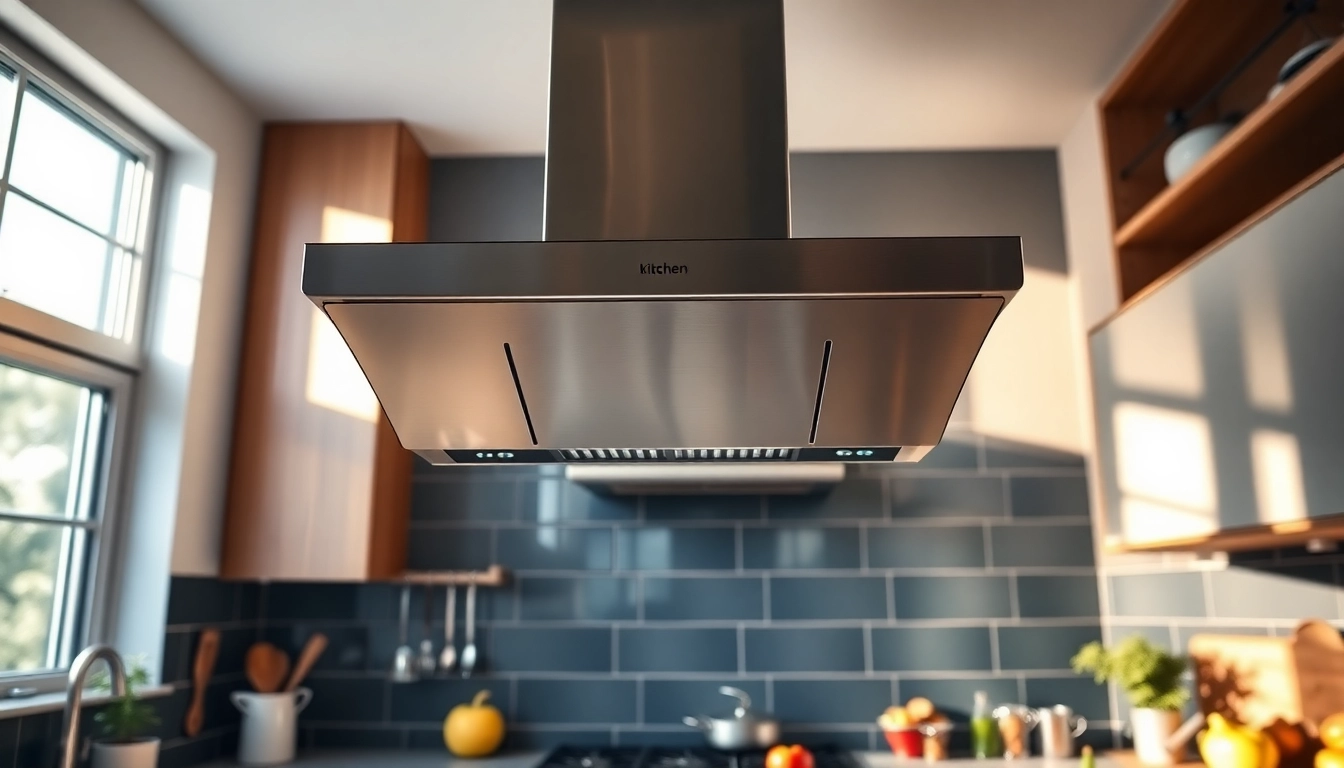
Discover the best ductless range hood in a stylish kitchen setting highlighting its design.

Understanding Ductless Range Hoods

What is a Ductless Range Hood?

A ductless range hood, also known as a recirculating range hood, is a kitchen appliance designed to improve air quality by filtering and recirculating air within the kitchen. Unlike traditional ducted range hoods that vent air outside, ductless hoods utilize internal filtration systems to cleanse the air of smoke, odors, and airborne grease before returning it to the kitchen environment. This makes ductless hoods an attractive option for those living in apartments or homes where external venting is not feasible.

Benefits of Using the Best Ductless Range Hoods

Choosing the best ductless range hood offers several benefits that cater to modern cooking needs:

  • Easy Installation: Ductless range hoods are straightforward to install, as they do not require extensive ductwork. This feature is particularly beneficial for renters or those renovating kitchens without existing vents.
  • Aesthetic Appeal: With various designs and finishes available, these hoods can enhance the visual appeal of the kitchen while performing a vital function.
  • Versatility: They can be installed in various locations, including wall-mounted or under-cabinet setups, making them adaptable to different kitchen layouts.
  • Environmentally Friendly: By recirculating air rather than venting it outside, ductless range hoods consume less energy during operation, aligning with eco-friendly practices.

Common Misconceptions About Ductless Systems

Despite their advantages, ductless range hoods face some misconceptions that can mislead potential buyers:

  • Less Effective: Many assume that ductless hoods are ineffective at removing smoke and odors compared to ducted models. However, high-quality ductless hoods equipped with advanced filtration systems can effectively purify the air when used correctly.
  • No Maintenance Required: Some users believe that ductless range hoods do not require maintenance. In reality, maintaining the filters and cleaning the appliance regularly is crucial for optimal performance.
  • Noise Levels: It is often said that ductless systems are noisier than their ducted counterparts. Noise can vary based on the model and design; many ductless options operate quietly, providing a comfortable cooking environment.

Choosing the Best Ductless Range Hood

Key Features to Look For

When selecting the best ductless range hood for your kitchen, consider the following key features:

  • Filtration Type: Look for models with charcoal filters. These filters are excellent at eliminating odors. Some models also include grease filters to trap grease particles.
  • Airflow Capacity (CFM): The CFM (Cubic Feet per Minute) indicates how effectively the hood moves or filters air. Typical CFM ratings for ductless hoods range from 150 to 300 CFM.
  • Noise Level: If noise is a concern, check the Sones rating. A lower Sones rating means quieter operation, which can contribute to a more peaceful cooking environment.
  • Lighting: Integrated lighting options enhance visibility over the cooking surface. LED lights are energy-efficient and can illuminate the area effectively.

Assessing Different Sizes and Models

Proper sizing is essential when choosing a ductless range hood. It should match the width of your cooking surface to efficiently capture smoke and grease. Here are some factors to assess:

  • Width: Ensure the hood is at least as wide as your stovetop. Common sizes are 30-inch, 36-inch, and smaller models for compact kitchens.
  • Height: Install the hood 24 to 30 inches above the cooking surface, depending on the stove type, to maximize air capture.
  • Design: Select a style (under-cabinet, wall-mounted, island) that complements your kitchen layout and aesthetics.

Comparing Airflow Capacity (CFM)

Airflow capacity or CFM is a critical aspect of ductless range hoods. The right CFM rating depends on your cooking habits and kitchen layout:

  • Standard Cooking: For typical home cooking, a range hood with 200 to 300 CFM is sufficient.
  • High-Heat Cooking: If you frequently cook with high heat or in large quantities, consider models with higher CFM ratings (above 300) for effective ventilation.
  • Kitchen Size: Larger kitchens may require higher CFM ratings to ensure adequate air circulation.

Top Picks for the Best Ductless Range Hood in 2025

Best Overall Ductless Options

Based on performance, design, and user reviews, the following models are top choices for 2025:

  • Ciarra 30-inch Under Cabinet Range Hood: This model offers a high-performance fan with 200 CFM airflow, quiet operation, and sleek design. Its aluminum grease filter makes it easy to maintain.
  • Broan-NuTone RL6200: Known for durability and efficiency, this stainless-steel hood not only provides excellent filtration but also features integrated lighting, making it a versatile option for many kitchens.

Best Budget-Friendly Choices

If you’re looking for affordability without sacrificing quality, consider these models:

  • Cosmo 5MU30: A well-rounded option featuring a 200 CFM motor and stainless-steel construction. It integrates seamlessly into various kitchen designs, offering good performance at a budget price.
  • AKDY 30-Inch Wall Mount Range Hood: This stylish hood features a dual motor system and is a great choice for those looking for modern aesthetics at an attractive price point.

Best High-End Models

For those seeking premium options, explore these high-end ductless range hoods:

  • Bertazzoni 30-Inch Wall-Mounted Range Hood: This luxury option boasts a powerful ventilation system and a stunning design that elevates any kitchen aesthetic.
  • Ventahood 30-Inch Wall-Mount Range Hood: Renowned for their high-end construction and exceptional performance, Ventahood models are perfect for serious cooks seeking top-tier air filtration.

Installation Insights for Ductless Range Hoods

DIY Installation vs. Professional Help

When considering installation, you have two options: DIY or hire a professional. For most ductless range hoods, DIY installation is feasible and straightforward:

  • DIY Installation: With basic tools and some technical knowledge, many users successfully install ductless hoods without professional assistance. Most units come with detailed instructions to guide new installers.
  • Professional Installation: If you prefer assurance or have complex kitchen layouts, hiring a professional may be the best choice to ensure proper setup and function.

Essential Installation Tools and Tips

If you decide to go the DIY route, here are essential tools and tips to improve your installation process:

  • Tools Needed: Necessary tools include a drill, screwdriver, level, measuring tape, and safety glasses.
  • Tip for Leveling: Make sure the range hood is level before securing it to the wall or cabinet to ensure optimal performance and aesthetics.
  • Electrical Connections: For range hoods with electrical components, ensure that the installation adheres to local electrical codes.

Maintenance Tips for Longevity

Proper maintenance is vital for the longevity and functionality of your ductless range hood:

  • Regular Filter Replacement: Most manufacturers recommend changing charcoal filters every 6 to 12 months, depending on usage.
  • Cleaning: Clean grease filters in warm, soapy water or according to manufacturer instructions. Regular cleaning helps maintain airflow efficiency.
  • Inspection: Schedule routine inspections to identify any potential issues with the motor or electrical components.

Enhancing Kitchen Air Quality with Ductless Range Hoods

Understanding Filtration Systems

Every ductless range hood operates on a filtration system that plays a critical role in air purification. Key aspects to consider:

  • Types of Filters: Typically, ductless hoods utilize a combination of charcoal and aluminum mesh filters.
  • Filter Efficacy: The effectiveness of charcoal filters declines over time; hence, ensuring timely replacements is necessary for optimal purification.
  • Multi-stage Filtration: Some advanced models feature multi-stage filtration systems to maximize air quality by removing finer particles and odors.

Comparing Ducted vs. Ductless Air Solutions

When considering air solutions for your kitchen, understanding the main differences between ducted and ductless systems can guide you in choosing the best option for your space:

  • Ducted Range Hoods: These models vent air directly outdoors, making them highly effective for removing heat, smoke, and odors.
  • Ductless Range Hoods: While they do not vent outside, they recirculate the air, effectively filtering it through charcoal filters, making them more suitable for spaces without duct access.
  • Effectiveness: Ducted options tend to perform better in high-heat cooking scenarios, while ductless options are ideal for homes lacking external ventilation systems.

Addressing Common Kitchen Pollution Issues

Kitchen environments are often filled with pollutants such as grease, smoke, and odors. Ductless range hoods are designed to mitigate these issues significantly:

  • Grease and Smoke: Effective filtration helps in capturing airborne grease and smoke, preventing it from settling on kitchen surfaces.
  • Odor Control: Quality charcoal filters effectively neutralize odors, allowing for a fresher cooking space.
  • Humidity Control: Reducing the humidity levels in the kitchen, especially during heavy cooking, is crucial to maintaining a comfortable and healthy environment.