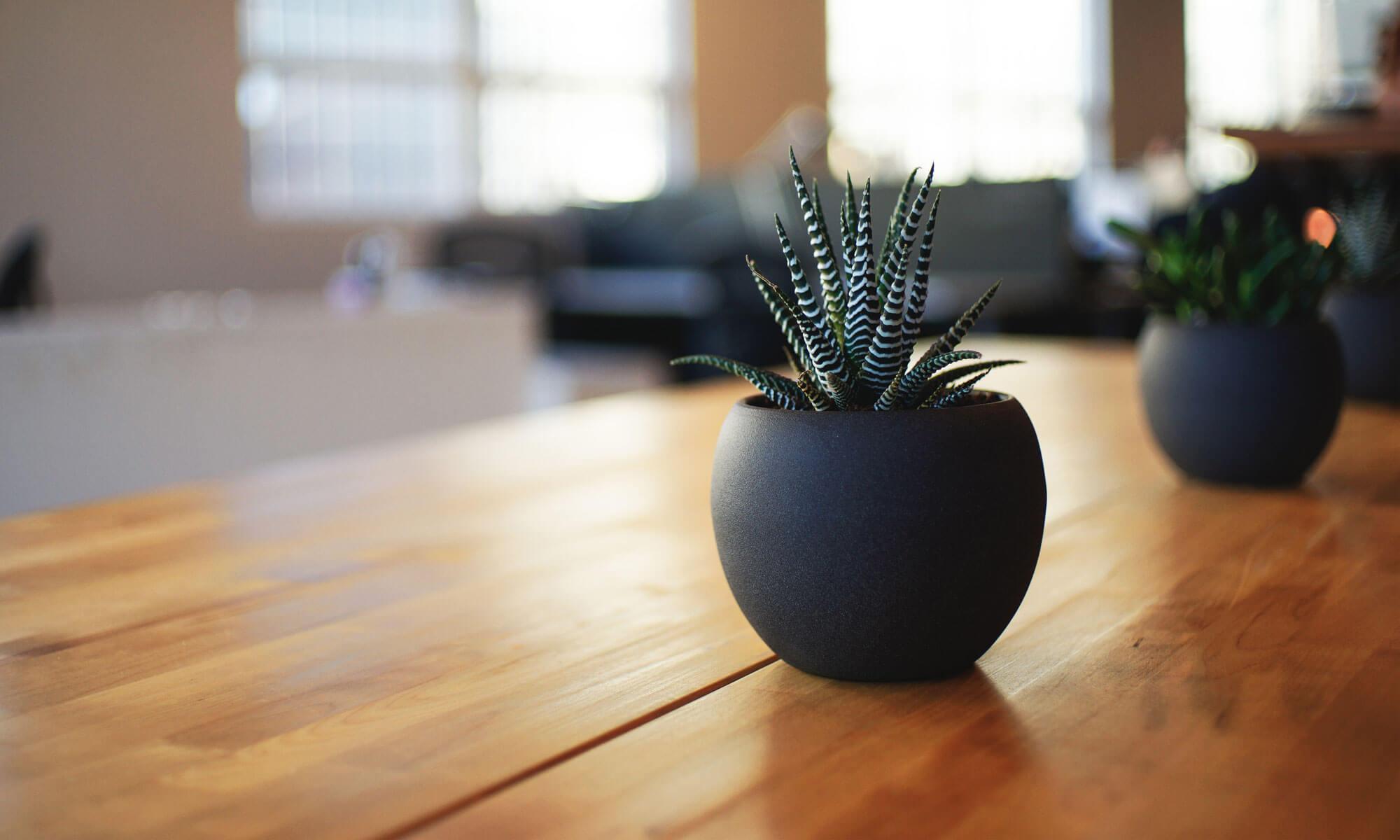
Understanding the Modern Office Landscape
The office environment has undergone significant transformation in recent years. Changes in work culture and technological advancements have redefined not just how we work, but also where we work. Today, modern offices are designed with the intention of enhancing productivity, fostering creativity, and improving employee satisfaction. To explore these phenomena, it’s important to delve into the critical aspects that shape the contemporary workspace, including technology, design trends, and employee well-being. For insights into elevating your work environment, resources like https://sv889.me/ can provide valuable guidance.
The Role of Technology in Workspaces
Technology serves as the backbone of modern office functionality, redefining how tasks are performed and teams collaborate. Remote work technologies like video conferencing tools, cloud-based applications, and collaborative software have made it easier to work from various locations, bridging the gap between remote and in-office work. Additionally, smart office technologies—including IoT devices that control lighting and temperature—have become essential in creating work environments that are not only efficient but also responsive to user needs.
Furthermore, integrating technology into office design goes beyond just furnishing spaces with devices; it involves creating an intelligent environment. For instance, utilizing data analytics allows companies to identify usage patterns in different office areas, informing space planning and enhancing utility efficiency. Marker systems and mobile apps that help employees find available spaces or book meeting rooms streamline workflows, ensuring that employees spend less time navigating the office and more time being productive.
Design Trends Influencing Office Layouts
As the needs of the workforce evolve, so do design trends that shape modern office aesthetics and functionality. Flexible layouts featuring open spaces, breakout zones, and collaborative hubs have gained traction, replacing traditional cubicle-style workstations. This shift reflects a growing recognition of the importance of collaboration and teamwork in driving innovation.
Sustainable design principles are also making their mark, as employees increasingly prioritize eco-friendly practices. Offices now commonly incorporate elements such as reclaimed materials, energy-efficient systems, and green plants to create a healthier ambience. Biophilic design principles, which seek to connect people with nature, have surged in popularity, promoting well-being and reducing stress for employees. These trends align with the wider corporate responsibility movements to contribute to environmental sustainability.
Employee Well-being and Productivity Considerations
The design of the workplace plays a critical role in influencing employee well-being and productivity. Studies confirm that environments tailored to the mental and physical needs of workers lead to increased engagement and lower turnover rates. Factors like natural light, noise levels, and ergonomic furniture have been proven to impact workers’ health and efficiency positively.
Moreover, creating dedicated spaces for relaxation—such as wellness rooms or quiet areas—exemplifies how companies can prioritize mental health. These spaces encourage employees to take needed breaks, helping to prevent burnout and foster a more dynamic and pleasant working environment. Employers are recognizing that investing in the well-being of their workforce not only enhances productivity but also improves overall workplace morale.
Essential Elements of Contemporary Office Design
Furniture and Equipment for Efficiency
Furniture selection is critical in modern office design, as it can drastically influence both functionality and comfort. Ergonomically designed chairs and desks have become staples, facilitating better posture and reducing physical strain on employees. Sit-stand desks, adjustable in height, are particularly beneficial as they promote movement throughout the day, helping to counteract the sedentary nature of office work.
Moreover, the arrangement of furniture can impact workflows significantly. Zoning areas for specific activities—concentration, collaboration, or meetings—not only maximizes space utility but also aligns with the diverse ways in which different tasks are performed. Utilizing multi-functional furniture can further enhance adaptability, supporting fluctuating workspace requirements.
Lighting and Color Scheme Impacts
Proper lighting can transform an office space by enhancing mood, productivity, and overall experience. Research indicates that exposure to natural light can improve concentration, energy, and even mood among employees. Therefore, integrating large windows or finding alternative ways to maximize sunlight can positively impact the workspace.
Artificial lighting should also be considered carefully. Combining ambient, task, and accent lighting creates a balanced illumination that reduces eye strain and enhances focus. Color psychology plays equally significant a role; colors such as blue and green are often associated with calmness and concentration, while warm hues can create a welcoming atmosphere. A well-thought-out color scheme can thus elevate the overall workplace sentiment and inspire creativity.
Creating Collaborative Spaces
The importance of collaboration in driving innovation cannot be overstated. Hence, incorporating collaborative spaces into office design is essential. These areas are designed to facilitate spontaneous interactions among employees, which can inspire new ideas and foster teamwork. Open-plan offices, communal tables, and lounge areas equipped with writable surfaces or technology for brainstorming sessions are especially effective.
Moreover, it’s crucial to strike the right balance between open spaces and areas that promote privacy, as not every task is conducive to a bustling environment. Design features such as movable partitions or designated quiet rooms can provide the flexibility to adapt to various work styles while still promoting a collaborative culture. The ability to adapt spaces according to the needs of different teams can lead to more effective outcomes.
Key Challenges in Designing a Modern Office
Balancing Aesthetics with Functionality
While it’s important to create an aesthetically pleasing office that reflects the company’s brand, it’s even more imperative to ensure that the space is functional. Striking this balance can prove challenging, as designs that focus too heavily on looks may compromise employee comfort or accessibility.
To navigate this challenge, employers must engage with their employees and understand the tasks they perform and how the space can enhance those tasks. By focusing on user-centered design principles, companies can create offices that not only represent their brand identity but also serve the practical needs of their workforce.
Acoustic Considerations in Open Spaces
Open office environments often face significant challenges related to noise. While these layouts promote collaboration, they can also lead to distractions and decreased concentration levels. Employees may find it difficult to perform deep work when surrounded by constant chatter and activity.
Implementing acoustic solutions, such as sound-absorbing materials, strategic layout planning, and designated quiet areas, can mitigate these issues. Creating an acoustic balance ensures that the office remains an inviting space for collaboration while providing zones where focus is prioritized.
Budget Constraints and Cost-effective Solutions
Budget constraints can be a significant hurdle in the process of designing a modern office. Balancing the desire for innovative solutions with fiscal responsibility requires thoughtful planning and prioritization. The key is to identify high-impact areas where an investment will yield the most considerable benefits for employee satisfaction and productivity.
Cost-effective solutions can range from repurposing existing furniture to opting for modular furniture systems that can adapt as needed. Additionally, taking advantage of natural light and ventilation can help minimize energy costs while improving the overall environment. Crafting a clear vision before commencing the design process can ensure that resources are allocated efficiently.
Implementing Design Strategies Effectively
Steps to Create Your Ideal Office Environment
Transforming an office environment requires meticulous planning and execution. The following steps can guide leaders through effectively implementing design strategies:
- Assess Current Needs: Start by evaluating the existing workspace, considering feedback from employees on areas that require improvement.
- Define Objectives: Establish clear goals for the office redesign, focusing on productivity, collaboration, and employee well-being.
- Engage Stakeholders: Involve employees in the design process by gathering their input on preferences and suggestions.
- Craft Design Concepts: Work with design professionals to develop concepts that align with the defined objectives, ensuring a balance between aesthetics and functionality.
- Implementation Planning: Create a detailed project plan, establishing timelines and budgets. Clearly communicate these plans to all relevant stakeholders.
- Execute and Evaluate: Once the new design is executed, monitor the office environment and gather employee feedback to identify areas for continuous improvement.
Incorporating Feedback from Employees
Employee feedback is invaluable when it comes to designing an effective office environment. Conducting surveys, focus groups, or suggestion boxes can provide insights into what employees value most in their workspace. Their direct experiences reveal both strengths and weaknesses of the current office layout and design.
To foster a culture of open communication regarding workplace design, organizations must create a system that not only collects feedback but also visibly acts on it. Regularly addressing employee concerns demonstrates commitment to their welfare and reinforces a positive organizational culture. Enhancing employee engagement in this way contributes to a sense of ownership over their work environment.
Staying Updated with Market Trends
The world of office design is always evolving, influenced by changing work styles, corporate strategies, and technological advancements. Staying updated with current trends allows organizations to remain competitive and provide workspaces that align with employee expectations.
Following industry publications, engaging with design experts, and participating in relevant conferences can keep organizations informed of best practices and innovative solutions. Consideration of trends such as hybrid work arrangements, technological integrations, and sustainable practices will ensure that the office adaptation continues to meet future challenges effectively.
Measuring the Success of Your Office Design
Key Performance Indicators for Workplace Satisfaction
Evaluating the success of an office design is essential to understand its impact on employee satisfaction and productivity. Establishing key performance indicators (KPIs) can guide this evaluation process. Common KPIs include:
- Employee satisfaction surveys
- Retention rates
- Absenteeism rates
- Employee engagement scores
- Usage statistics for collaboration spaces
Tracking these indicators over time can help organizations assess the influence of their design choices and make adjustments accordingly to better fit employee needs.
Analyzing Productivity Metrics Post-Implementation
Post-implementation analysis of productivity metrics is crucial to determine whether the redesigned workspace delivers the intended benefits. Metrics can be gathered from project completion rates, error rates, and feedback on workflow obstructions. Benchmarking these metrics against pre-design data provides a clear picture of the effect the redesign has had.
Working with leadership and teams during this statistical gathering phase encourages a collaborative approach toward recognizing improvements and areas that may still require enhancement.
Adjusting Based on Employee Feedback and Data
The evolutionary process of office design does not conclude once the new environment is established. Continual assessment through regular employee feedback, alongside productivity metrics, ensures that adaptations and minor modifications can be made as necessary. Constant improvement fosters a responsive workplace culture that consistently aligns the environment with employee needs.
By embracing adaptability and remaining open to feedback, organizations take proactive steps to cultivate a work environment that evolves alongside their workforce and meets their changing needs.