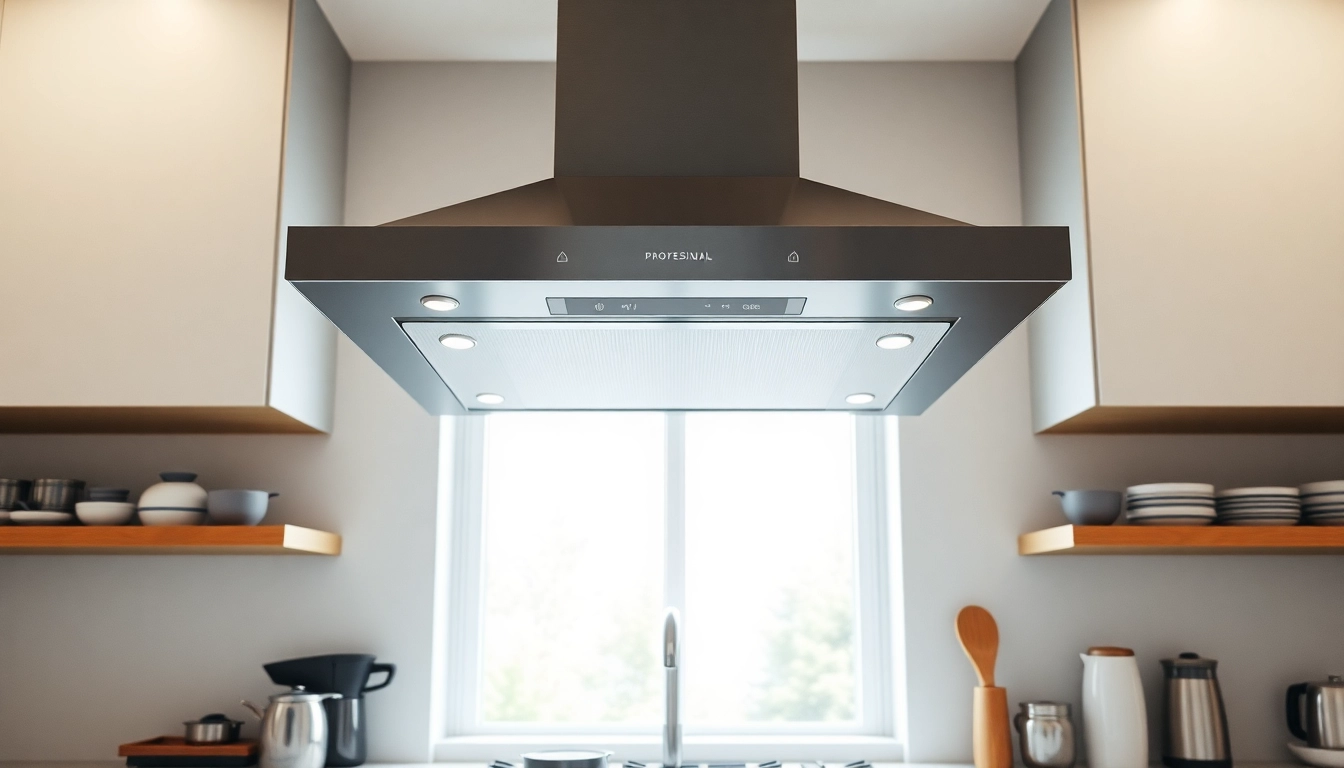
Introduction to Ciarra Range Hoods
In the realm of kitchen appliances, range hoods play a crucial role in enhancing the cooking experience. Among the myriad options available, the Ciarra Range Hood stands out for its innovative design, efficiency, and user-friendly features. Ciarra Appliances is dedicated to creating high-quality cooking equipment that simplifies kitchen tasks while adding a modern aesthetic to every cooking space. Let’s delve into the core offerings of Ciarra range hoods, highlighting their distinct features and benefits that cater to both amateur cooks and culinary enthusiasts.
Overview of Ciarra Appliances
Ciarra Appliances has earned a reputation for manufacturing reliable kitchen solutions that merge functionality with style. Established with a vision to enhance culinary experiences, Ciarra offers a wide range of appliances, including range hoods, cooktops, and ovens. Their products are designed not only to meet basic cooking needs but also to elevate the cooking experience, making preparation and ventilation intuitive and efficient.
Key Features of Ciarra Range Hoods
Ciarra range hoods come equipped with several features designed for performance, convenience, and aesthetic appeal:
- Powerful Suction: Many Ciarra range hoods offer suction capabilities of up to 950 CFM, ensuring that smoke, steam, and odors are effectively removed from the kitchen.
- Multiple Speed Settings: Users can choose from various fan speeds based on their cooking intensity, optimizing air circulation and noise control during operation.
- Smart Control Systems: Advanced models feature touch control panels that allow easy adjustments, enhancing user experience and ease of use.
- Energy Efficiency: Ciarra range hoods are designed with eco-conscious technology, consuming less energy without compromising performance.
- Stylish Aesthetics: With sleek designs and durable stainless steel finishes, Ciarra range hoods add a touch of elegance to any kitchen layout.
Benefits of Using a Range Hood in Your Kitchen
Investing in a range hood comes with several advantages, extending beyond mere functionality:
- Improved Air Quality: Range hoods efficiently eliminate smoke, steam, and odors, ensuring that the kitchen remains a pleasant and healthy environment.
- Enhanced Cooking Experience: By removing excess heat and moisture, range hoods make cooking more comfortable and enjoyable.
- Style and Design Integration: A well-chosen range hood can serve as a focal point in kitchen design, complementing other elements and adding value to the home.
- Noise Reduction: Advanced models are designed to operate quietly, minimizing disturbances in the kitchen and creating a more peaceful cooking environment.
Types of Ciarra Range Hoods
Understanding the different types of Ciarra range hoods is imperative when selecting the right one for your cooking space. Each type serves specific functionalities and purposes, ensuring a good fit for various kitchen setups.
Wall-Mounted Range Hoods
Wall-mounted range hoods are one of the most popular options among homeowners and chefs alike. They are installed directly on the wall above the cooking surface and offer numerous advantages:
- Effective Ventilation: Designed for power, these hoods efficiently extract cooking fumes and odors, leaving the kitchen air fresh.
- Variety of Designs: Wall-mounted models come in different styles, colors, and finishes, allowing homeowners to select one that matches their kitchen decor.
- Space Saving: By utilizing vertical space, these range hoods are ideal for kitchens with limited counter space.
Under-Cabinet Models
Under-cabinet range hoods are a fantastic choice for those who want to maximize the use of overhead cabinetry while ensuring efficient ventilation:
- Compact Size: These models fit neatly under kitchen cabinets, preserving valuable space and providing a sleek appearance.
- Convenient Installation: Typically easier to install than other types, under-cabinet range hoods can fit seamlessly into existing cabinetry.
- Cost-Effective: Generally lower in price than wall-mounted options, making them a popular choice for budget-conscious homeowners.
Portable Range Hoods and Their Usability
Portable range hoods, such as the Ciarra HOOD TO GO, provide flexibility and convenience for various cooking scenarios:
- Versatile Use: Ideal for indoor barbecues, hot pots, or even as a temporary solution in kitchens lacking built-in ventilation.
- Lightweight and Easy to Transport: These models are designed for portability, allowing users to move them effortlessly from one location to another.
- User-Friendly Features: Often equipped with simple one-button operation and adjustable speed settings, enhancing usability.
How to Choose the Right Ciarra Range Hood for Your Kitchen
Selecting the right range hood for your kitchen involves a careful analysis of several factors to ensure optimal ventilation and functionality:
Analyzing Your Kitchen Space
Before purchasing a range hood, assess the layout and size of your kitchen. Consider the following:
- Cooking Surface Size: Measure the width of your cooktop to determine the minimum size requirement for the range hood, which should ideally be wider than the cooking area for optimal coverage.
- Ceiling Height: Make sure to take into account the height of the ceilings, especially in kitchens with high ceilings, as this will impact the type and power needed for the hood.
- Cabinetry Layout: Evaluate whether you have adequate space for a wall-mounted or under-cabinet model, factoring in nearby cabinet installations.
Understanding Ventilation Needs
A critical aspect of choosing a range hood is understanding your kitchen’s ventilation needs based on cooking habits:
- Cooking Frequency: If you cook often or engage in high-heat cooking methods, consider a range hood with higher suction power, typically between 600 and 950 CFM.
- Type of Cooking: Different cooking styles, such as frying or boiling, may require more intensive ventilation systems to remove grease and moisture effectively.
- Location of Windows: If your kitchen has ample windows for natural ventilation, you may be able to opt for a less powerful model.
Comparing Features and Price Points
Feature sets can vary widely across different range hood models. Consider the following when comparing options:
- Noise Levels: Look for models with lower sones ratings for quieter operation.
- Filter Types: Stainless steel baffle filters are durable and easy to clean, while charcoal filters are necessary for ductless models to trap odors effectively.
- Price: Set a budget, but factor in long-term value. Investing in a higher-quality, more efficient model may save costs in energy bills and maintenance over time.
Installing Your Ciarra Range Hood
Proper installation of your range hood is crucial for ensuring optimal performance and adherence to safety standards. Follow these guidelines for a successful setup:
Installation Guidelines and Best Practices
The installation process can vary based on the type of hood you choose. However, some general guidelines apply:
- Refer to Product Manuals: Always consult the installation manual provided with your Ciarra range hood for specific instructions regarding mounting, wiring, and ventilation options.
- Use Proper Tools: Ensure you have the necessary tools like drills, screwdrivers, and levelers to facilitate a smooth installation process.
- Check Ventilation Ducts: If you are installing a ducted model, check or install ventilation ducts promptly to ensure proper airflow.
Common Mistakes to Avoid During Installation
Installation errors can lead to performance issues. Here are common pitfalls to avoid:
- Incorrect Mounting Height: Installing the hood too high or low can diminish its ability to capture smoke effectively; aim for a height of 30 to 36 inches above the cooktop.
- Neglecting Ventilation: Failing to secure duct ventilation for ducted models can lead to ineffective air circulation and decreased efficiency.
- Ignoring Power Supply: Ensure that the power source is compatible and adequately rated for your hood to avoid electrical issues or voiding the warranty.
Maintenance Tips for Longevity
Regular maintenance is vital to ensure long-lasting performance from your Ciarra range hood:
- Clean Filters Regularly: Depending on usage, clean or replace filters every few months to promote optimal airflow and efficiency.
- Wipe Exterior Surfaces: Use mild detergents and soft cloths to clean exterior surfaces, preventing the buildup of grease and fingerprints.
- Check Ducting Annually: Inspect ducts for obstructions or damage, ensuring that air can flow freely without hindrance.
Ciarra Range Hood Performance and Customer Reviews
Understanding the real-life performance and feedback from users of Ciarra range hoods can help potential buyers make informed decisions:
Real-Life Usage Testimonials
Customers frequently express satisfaction with their Ciarra range hoods, highlighting various aspects such as:
- Powerful Performance: Users often note how effectively their chosen model removes odors and smoke, making cooking a more pleasant experience.
- User-Friendly Controls: Many reviews praise the intuitive touch controls that are straightforward and enhance convenience during use.
- Attractive Design: Customers appreciate the modern aesthetics that seamlessly integrate into their kitchen décor.
Performance Metrics: Noise Levels and Suction Power
Performance metrics are essential for understanding how a range hood can fit your needs:
- Suction Power: Ciarra range hoods provide various suction levels ranging from about 450 CFM for everyday cooking to 950 CFM for heavy-duty preparation, catering to diverse cooking styles.
- Noise Ratings: Many models operate at a noise level of 1.5 to 7 sones, with quieter models being marketed as low-noise solutions that maintain effective performance.
Comparing Ciarra Range Hoods to Competitors
When stacked against competitors, Ciarra range hoods often exhibit several advantages:
- Affordability: Many Ciarra models deliver premium features at competitive pricing, making high-quality ventilation accessible to a broader audience.
- Innovative Technology: Features such as smart controls and powerful suction give Ciarra products a leading edge in functional design.
- User Satisfaction: Positive customer feedback, along with high ratings, showcases user trust and satisfaction compared to other brands in the market.